

Tutoring in the 2025/2026 academic year – winter semester:
Magda Dubińska-Magiera
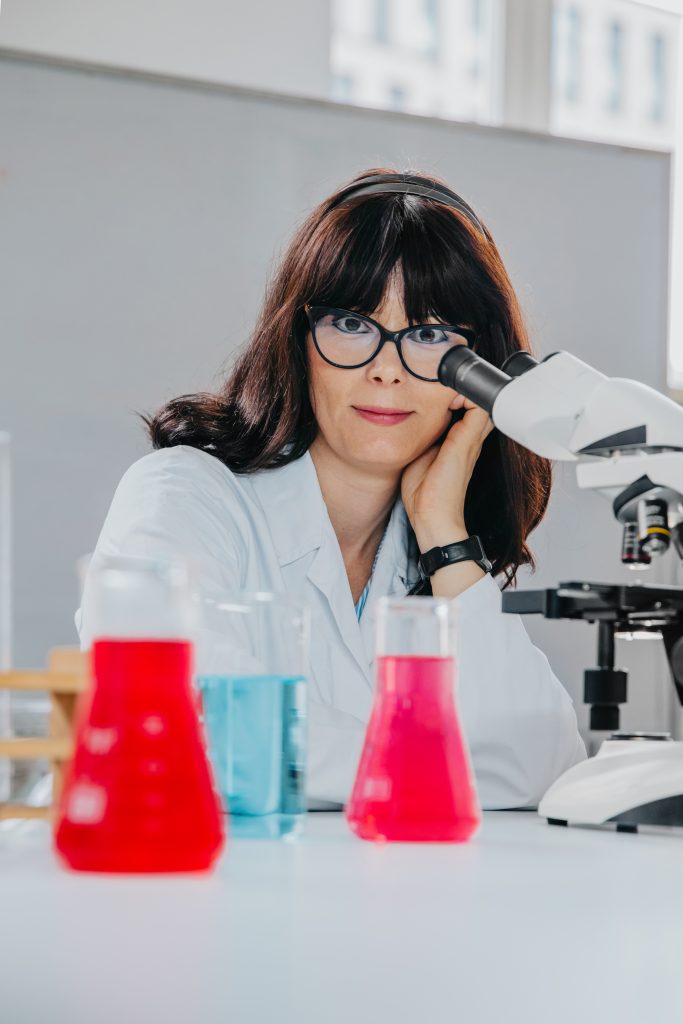
photo: Dominika Hull-Bruska/University of Wrocław
Offer:
‘Academic essentials’, i.e. developing skills that facilitate functioning in the university environment – academic tutoring
The proposed academic tutoring process offers the opportunity to learn about the specifics of working at universities and the broadly understood functioning of the world of science. The offer is intended for people who want to improve their skills in writing scientific texts and/or giving public speeches of a scientific, didactic and popularising nature addressed to a wide audience. The tutoring programme also covers topics such as fundraising, creating a scientific profile, scientific communication, organising the work of a scientist, etc.
Experience:
Magda Dubińska-Magiera, PhD, Professor at the University of Wrocław – Assistant Professor at the Department of Animal Development Biology, Faculty of Biological Sciences, University of Wrocław
As a researcher, I focus on animal development, with particular emphasis on muscles, and on issues in the field of cell biology. I conduct my own research projects and collaborate with various research centres. My adventure with science began at the Faculty of Biotechnology, where I obtained a PhD in biological sciences.
I am also an academic teacher. In my teaching activities, I use the latest educational methods. I teach classes in developmental biology, biochemistry, and histological and microscopic techniques.
I am involved in the popularisation of science by participating in events such as the Science Festival, Children’s University and Biologists’ Night. I have experience in conducting and managing original educational and research projects aimed at a wide audience.
· Manager and executor of research grants
· Author of numerous scientific, didactic and popular publications and participant in many scientific conferences
· Science populariser with experience in implementing her own educational and research-educational projects (e.g. ‘e-danio’, ‘DANiO – Danio Adventure!’)
· Winner of numerous organisational and teaching awards from the Rector of the University of Wrocław, the IDUB teaching award ‘The best of the best – in search of teaching excellence’, awarded the Medal of the National Education Commission.
· In 2015-2020, member and chair (2027-2019) of the Academy of Young Scholars and Artists – an elite organisation whose activists carry out interdisciplinary projects, conduct educational activities and promote science.
· Graduate of postgraduate studies in ‘Research and Development Project Management’ (2013-2014; WSB University in Wrocław)
· Passionate about literature and issues related to the translation of literary texts, graduate of a bachelor’s degree programme in Swedish philology (2021-2024; Wszechnica Polska ANS in Warsaw)
· Promoter of the idea of practising mindfulness in education (and beyond)
Edyta Gola
Offer:
‘A passion for research in academic and personal development’ – academic tutoring
Marcin Kadej
Offer:
Planning and implementation of activities in preparation for academic work – academic tutoring
The proposed academic tutoring process includes presenting methods for implementing activities as part of an academic workshop and introducing them into practice in order to achieve academic goals in the future.
Experience:
Marcin Kadej – Professor of Biological Sciences, Management and Marketing Engineer, Dean of the Faculty of Biological Sciences at the University of Wrocław (2020-2024 term), Chairman of the Scientific Discipline Council for Biological Sciences at the University of Wrocław (2020-2024 term), head of the Laboratory of Forensic Biology and Entomology at the Faculty of Biological Sciences, University of Wrocław (since 2019).
- Specialist in environmental biology and archaeoentomology – invertebrates, with particular emphasis on insects, including saproxylic species, pollinators, protected, endangered and threatened species.
- Coordinator and implementer of research related to taxonomy and systematics as well as biology and ecology of insects.
- Specialist in conservation biology (Laboratory of Conservation Biology and Invertebrate Protection, University of Wrocław) dealing with biodiversity conservation and the valuation and assessment of natural resources, cooperating with the Institute of Nature Conservation of the Polish Academy of Sciences in Krakow in the creation of the database ‘Alien species in Poland’ and ‘Monitoring of species and natural habitats’, including those covered by the Natura 2000 programme.
- Coordinator of research on protected, rare or endangered insects, alien and invasive species, and insects of economic importance.
- Author of numerous scientific and popular science publications (a total of nearly 340 works). Participant in many national and international scientific conferences and workshops.
- Supervisor of three doctoral students, numerous interns and trainees interested in biology and forensic entomology.
Sebastian Salata
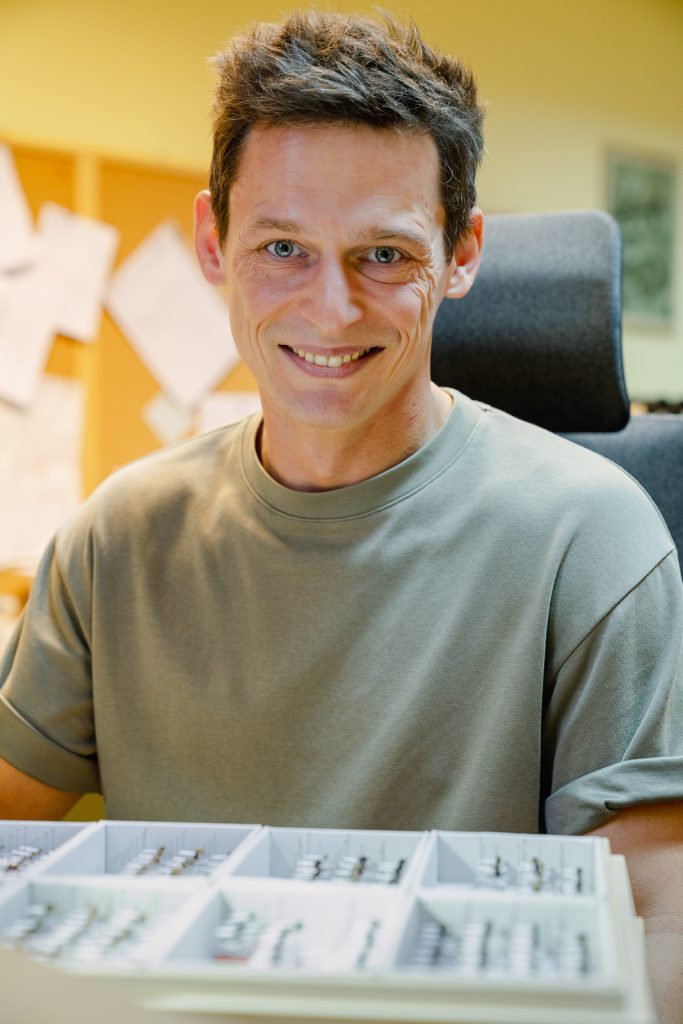
Photo: Paweł Piotrowski/Wrocław University
Sebastian Salata – biologist, entomologist, assistant professor at the Department of Biodiversity and Evolutionary Taxonomy, Faculty of Biological Sciences, University of Wrocław.
Academic tutoring – improving research skills
In my scientific work, I focus mainly on studying the biodiversity and phylogeography of insects. I am a taxonomist who strives to document and describe the species richness of ants, mainly from the Balkans and Madagascar. I am racing against time, because I increasingly encounter specimens of undescribed species in museum collections, which are likely already extinct as a result of progressive environmental degradation.
Anna Wdowikowska
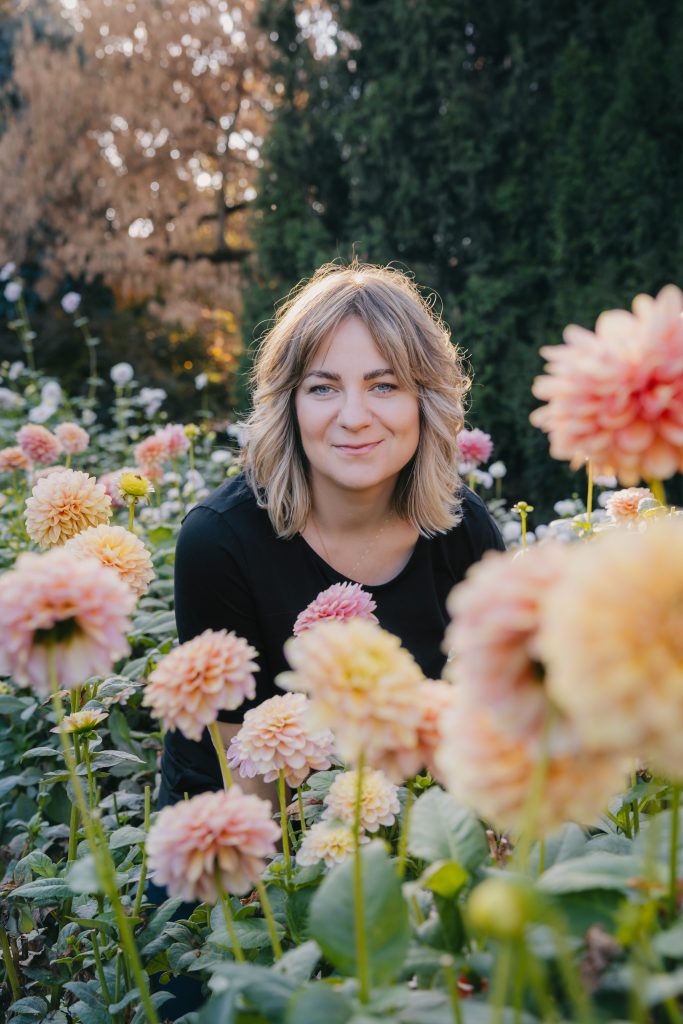
photo: Dominika Hull-Bruska/University of Wrocław
Academic tutoring – develop your scientific skills’
About me
I work as an assistant professor at the Department of Plant Molecular Physiology, Faculty of Biological Sciences, University of Wrocław, where I carry out my scientific and teaching activities.
My scientific research focuses on understanding how plants respond to changing environmental conditions. This is a crucial issue in the context of ongoing climate change and increasingly extreme weather events, which plants must withstand despite their sedentary lifestyle. I am particularly interested in the molecular mechanisms underlying these responses, including changes in the expression of genes encoding membrane transporters—key elements in plant physiology. I also apply biochemical techniques to assess whether plants are experiencing stress. Through collaboration with partners from the socio-economic sector, I conduct research on economically important species such as cucumber, lettuce, and, most recently, grapevine.
I enjoy complementing my scientific work by teaching courses in plant physiology, secondary metabolites, molecular biology techniques, and the fundamentals of bioinformatics. Each year, I supervise bachelor’s and master’s students. I am also involved in science outreach activities, like workshops for schoolchildren, the Lower Silesian Science Festival, and the Biologists’ Night.
In my teaching work, I am keen to use modern techniques such as e-learning. Recently, I co-organised an extracurricular educational initiative titled ‘Learning through practice: a study visit to a vineyard’ for students on the GIBE programme. The aim of this initiative was to enhance the practical component of the laboratory course “Secondary Metabolites and Their Practical Application.”
For my commitment to teaching, I have received the Rector’s Award several times, and in 2023, the Medal of the National Education Commission.
Tutoring cooperation
I would like to invite you to join academic tutoring sessions, where I can support you in developing your scientific interests and enhancing your research skills.
Other Tutors:
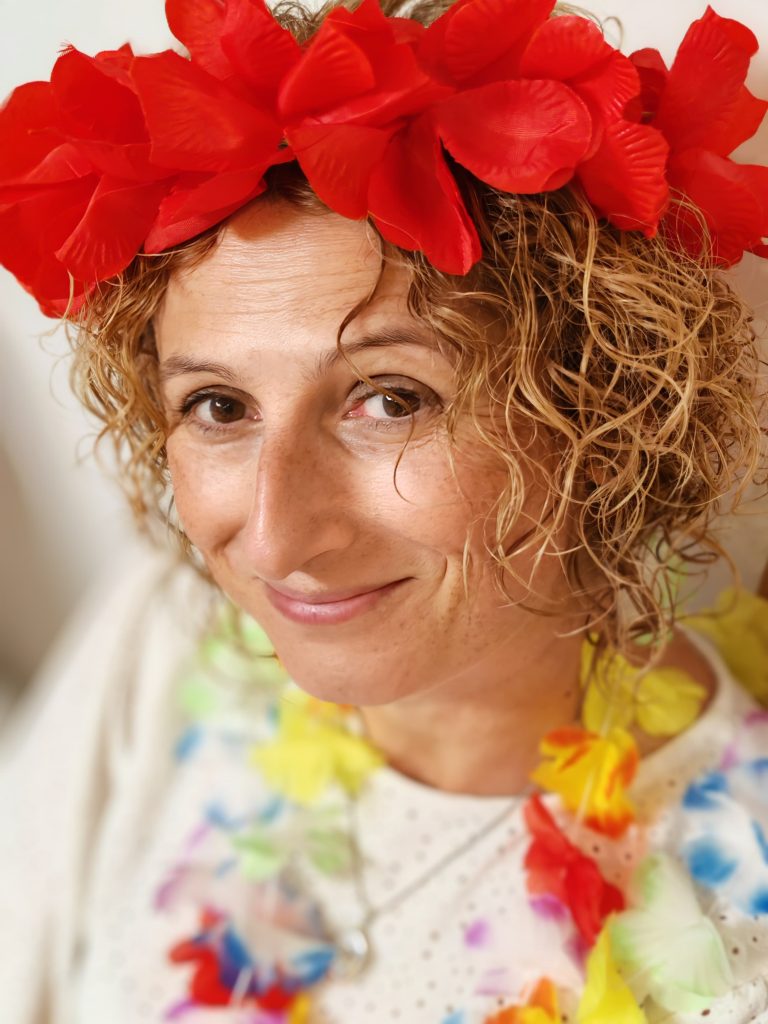
Dominika Drulis-Fajdasz
Offer:
Academic tutoring – support for the development of scientific competences
Dr Dominika Drulis-Fajdasz, MA and PhD in biochemistry at the Faculty of Biotechnology (University of Wrocław), experience in working in the clinical laboratory of the Department of Nephrology, Transplant Medicine and Internal Medicine (Medical University of Wrocław), currently assistant professor at the Faculty of Biological Sciences (University of Wrocław).
It is difficult to make the world pay attention to us in just a few sentences. In a world of short information and pictorial messages, we are forced to be concise and unambiguous. This is also true of science, which is relentlessly blunt and unconditional – it teaches us to say ‘yes, yes; no, no’. My research work in the field of physiology and neurobiology teaches great humility towards the secrets of memory and cognitive functions that remain elusive to us. Working in this field provides opportunities to discover the mechanisms of nervous tissue, which surprises with its complexity and multifaceted function, combining physics, chemistry and biology, and often mathematics. I invite you to collaborate with me so that we can marvel together at the perfection of the natural world, both animate and inanimate, where scientific work is like stealing secrets from a perfectly designed machine.
Privately, I prefer going to hardware stores rather than grocery stores…
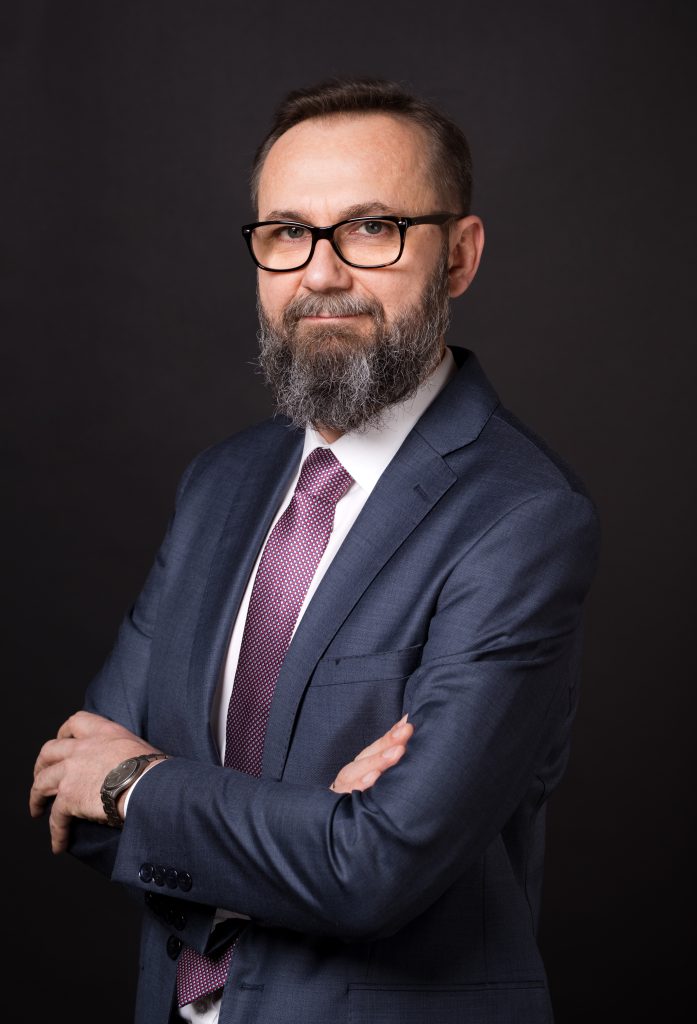
Józef Krawczyk
Offer:
On the path to excellence – developmental tutoring
The proposed developmental tutoring process includes improving interpersonal relationships (social, communication, interaction and relational skills) as well as career planning and development. The mentee gets to know themselves better and works on their own development – recognising their talents, abilities, values, strengths, etc.
Experience:
Józef Krawczyk, PhD of Biological Sciences, professor at the University of Wrocław, academic teacher with 30 years of experience in all stages of education (25 years at the University of Wrocław) and in adult education (including active teachers), head of the Biological Education Laboratory at the Faculty of Biological Sciences, University of Wrocław. Certified biology teacher (currently in secondary school).
- Specialist in biology teaching and environmental education in the field of using the latest achievements in biology in teaching at various stages of education, the use of experiments and field exercises in teaching, methods of developing key competences, in particular those related to creative problem solving.
- Educator involved in training future biology teachers. Lecturer, teaching classes related to interpersonal communication for students of all fields at the Faculty of Natural Sciences.
- Manager and implementer of numerous educational projects and grants.
- Author or co-author of numerous publications in the field of plant ecology, biogeochemistry and biology teaching (including two series of textbooks for lower secondary and primary schools), educational programmes, curricula and pedagogical innovations, collaborating with researchers from scientific and teaching centres in Poland.
- Supervisor of the ‘Sowa’ Student Teachers’ Research Club.
- A passionate populariser of science who loves teaching and interacting with students.
- Winner of numerous teaching awards from the Rector of the University of Wrocław, the IDUB teaching award ‘The best of the best – in search of teaching excellence’, the award of the Superintendent of Education in Wrocław, and the Medal of the National Education Commission.
Elżbieta Myśkow
Magdalena Zagalska-Neubauer
Tutoring – a proposal for students of the Faculty of Biological Sciences of the University of Wrocław
Tutoring is a form of personalised education, an individualised learning system optimised for customised education, an individualised learning system optimised for the needs of a specific individual. It is tailored to the learner, who participates in designing a personal educational or development plan. All methods, techniques, and teaching-learning methods used in this process stem from the individual’s nature, specific needs, abilities, and goals. In this process, the learner is the centre of attention, a conscious participant, and, under the tutor’s guidance, independently takes action. Tutoring is based on the master-student relationship, effective communication, and openness of the participants. Thanks to its integral perspective on human development, it is a way to develop the learner’s potential fully. Participants in this process have complete trust in each other, and the tutor ensures that appropriate relationships are built and maintained. Tutoring is about support, motivation, and finding the best path for development.
Academic tutoring is an exchange of experiences between the learner and the tutor, with the primary goal of enhancing the student’s knowledge and skills. The tutor shares their passion, which helps to induce the desired changes in the learner. The academic interests of the tutor and the mentee are aligned in this case.
Developmental tutoring is broadly defined as support for personal development, on the path to achieving desired goals, autonomy, and independence. It focuses on self-discovery, developing responsibility, and, above all, building self-confidence. It aims to discover and awaken interests, foster awareness of talents, and create positive character traits. In this case, the tutor’s skilful motivation and guidance of the mentee are more important than shared interests.
The Faculty of Biological Sciences offers both types of tutoring sessions to students – academic tutorials and developmental tutorials, delivered as individual extracurricular activities totalling 15 hours and 2 ECTS credits, which do not count towards the required credits for graduation. The tutorial is passed without a grade. Students in the third semester of their undergraduate studies, as well as graduate students, can apply for tutoring. More information can be found in the Rector’s order and the Dean’s order.
Certified tutors conduct courses.


